
Blog
I Logged My Oopspin Casino Sessions for Three Months Canada Data

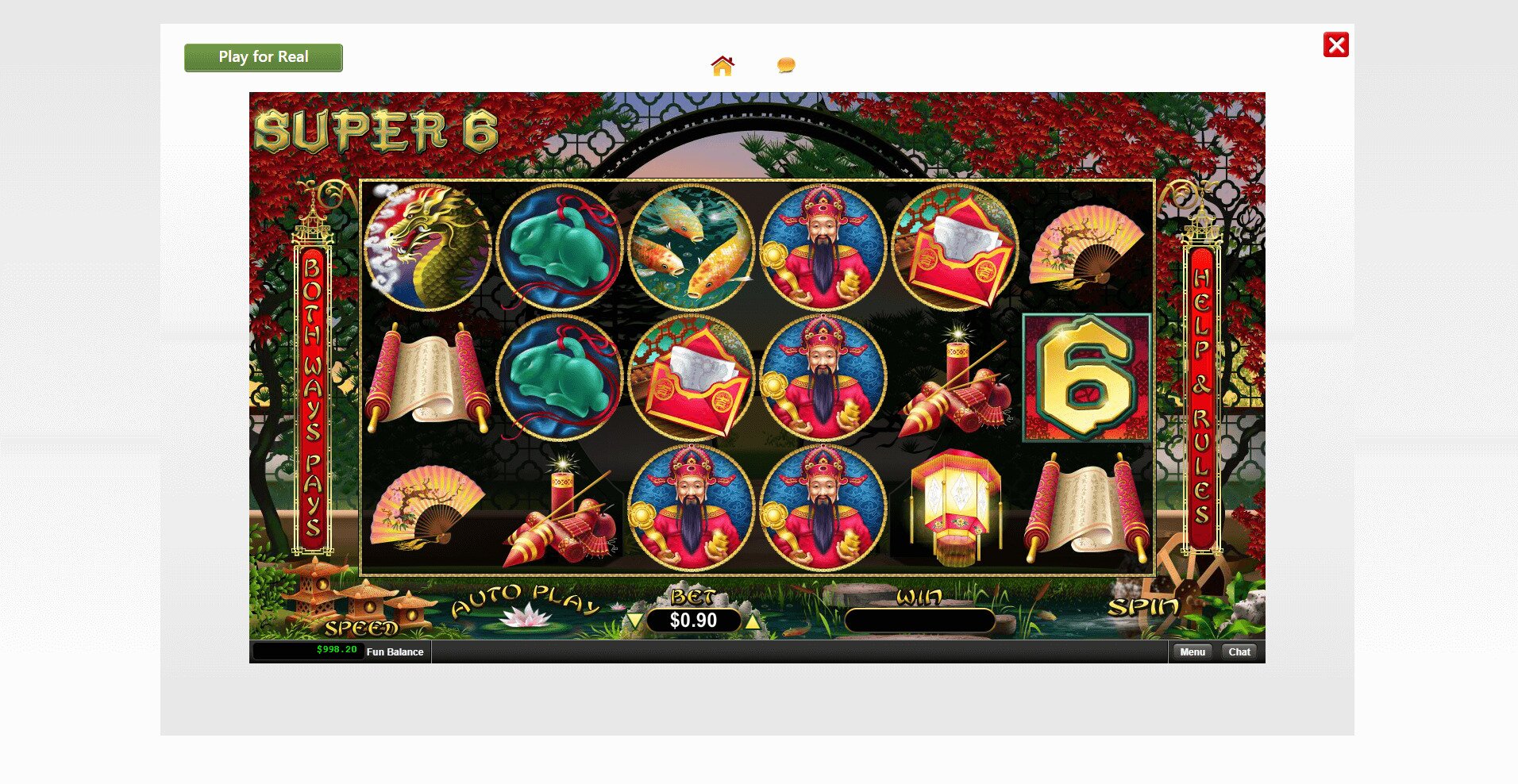
As an analytical player, I wanted to move beyond gut impressions about my online casino habits https://oopspinn.com/. I committed myself to thoroughly logging every session at Oopspin Casino for three full months. This went beyond wins and losses to record time, games, bet sizes, bonus usage, and my emotional state. The subsequent dataset provides a rare, transparent look at the real rhythms of a Canadian player’s journey. My honest assessment strips away marketing hype to uncover the patterns, profitability, and pitfalls I discovered through rigorous, personal record-keeping.
My Approach: How I Gathered the Data
For standardization, I used a simple spreadsheet updated directly after each session. I played solely at Oopspin Casino during this period to separate variables. Every entry recorded the date, session duration, starting and ending balance, primary game, total bets, and bonus use. I added a subjective note on my mindset, like “focused” or “chasing.” I treated this as a private audit, not a profit quest, logging losses as carefully as wins to uphold data integrity for this Canada-focused review.
Key Metrics I Recorded
I zeroed in on quantifiable metrics that could uncover clear trends over the ninety days. The core four were recorded Return to Player (RTP), session length in minutes, net profit/loss per session, and game-switching frequency. This systematic approach transformed ambiguous impressions into hard numbers I could truly analyze. It enabled me to see correlations between my discipline and my outcomes, moving from speculation to evidence-based understanding of my own play.
The Most Revealing Metric: Cost-Per-Hour
Beyond simple profit/loss, computing an entertainment cost was eye-opening. For each session, I broke down the net loss by the hours played. A $15 loss over 30 minutes is a $30/hour entertainment cost. This recast losses as a leisure expense, comparable to a concert ticket. This metric helped me determine more reasonable loss limits, as seeing a potential $100/hour “cost” made me rethink bet sizes more effectively than any abstract budget rule ever had.
Performance Comparison: Slots vs. Live Dealer
My session time split 70/30 between online slots and live dealer games like blackjack and roulette. The difference in performance was stark. Slots were the key factor of my overall net loss, with wild swings and long dry spells. Conversely, my live blackjack sessions, using basic strategy, were far more reliable. While I rarely hit huge wins, the session-to-session variance was lower, and my realized RTP was significantly closer to the game’s theoretical return.
- Video Slots (High Volatility):
- Live Blackjack (Basic Strategy):
- Live Roulette (Even-money bets):
Behavioral Tendencies and Psychological Triggers
Comparing my subjective notes with financial data produced the most valuable insights. Sessions logged as “chasing” or “frustrated” had an average loss 300% higher than sessions marked “relaxed” or “focused.” Impulsive game-switching mid-session occurred in 22% of sessions and correlated with a 50% faster loss rate. My most profitable hours were between 7-9 PM when I was focused. This emphasized that my mental state, not the games themselves, was the largest controllable variable in my results.
Bonus Impact Analysis: Did Offers Help?
Oopspin Casino provides regular bonuses, and I employed them tactically. My results were nuanced. Introductory bonuses and deposit matches effectively increased my playtime, which was beneficial. However, playthrough demands often pushed me to play longer or at increased stakes than my personal limits permitted. Free spins were fun but seldom generated substantial cashable amounts. Ultimately, bonuses gave momentary opportunity but did not affect the house edge or my long-term negative expectation.
The Wagering Requirement Trap
The most significant data came from sessions where I was meeting wagering requirements. My average bet size grew by about 25% as I unconsciously tried to clear the requirement sooner. This resulted in quicker bankroll depletion. My focus changed from entertainment to task completion, making play tense. The data revealed my loss rate was 40% higher during bonus wagering sessions compared to regular play, a strong lesson in how promotions can negatively influence behavior.
The Actual Figures: Earnings, Red, and Even Situation
After 90 days, the log told a revealing story. I finished 127 distinct sessions. Of those, 62 were negative sessions, 48 were winning sessions, and 17 ended essentially breakeven. My total net result was a loss of $427 CAD. My biggest single-session win was $312, while my largest loss was $205. The data disproved the “I always lose” myth; I won nearly 38% of the time. However, the size of losses on bad days outweighed the wins, a classic casino mathematical reality revealed by the data.
Bankroll Management: What Truly Worked
I tested several bankroll strategies during the three months. A strict percentage-of-bankroll bet sizing was useful for live games but felt awkward on slots. A simple, hard loss-limit system worked best overall. The data demonstrated that sessions where I stopped after losing a pre-set amount maintained my bankroll for future play. Conversely, the few times I violated my own loss limit to “win it back” were among my most harmful sessions, accounting for a disproportionate share of my total loss.
Key Takeaways for Canadian Players
This experiment offered practical information. Firstly, treat gambling solely as a budgeted entertainment cost, not an asset. Next, your mental state is your most important tool; never playing angry. Thirdly, offers are tools for longer play, not profit vehicles. Fourth, loss limits are essential for endurance. In conclusion, game selection greatly influences risk; understand the gap between volatile slots and tactical table games.
Monitoring my Oopspin Casino gaming periods for 3 months was an enlightening experience in clarity. The information moved me from casual guessing to an informed understanding of my patterns. Though the overall monetary result was a loss, considering it as an entertainment expense provided clarity. The greatest benefit was instructive: a deep, empirical understanding of how my behavior, game choice, and use of offers directly determine outcomes, enabling more responsible and intentional participation.